BODY COMPOSITION · 02
Losing Fat Without Losing Muscle: What a Good Fat-Loss Plan Should Protect
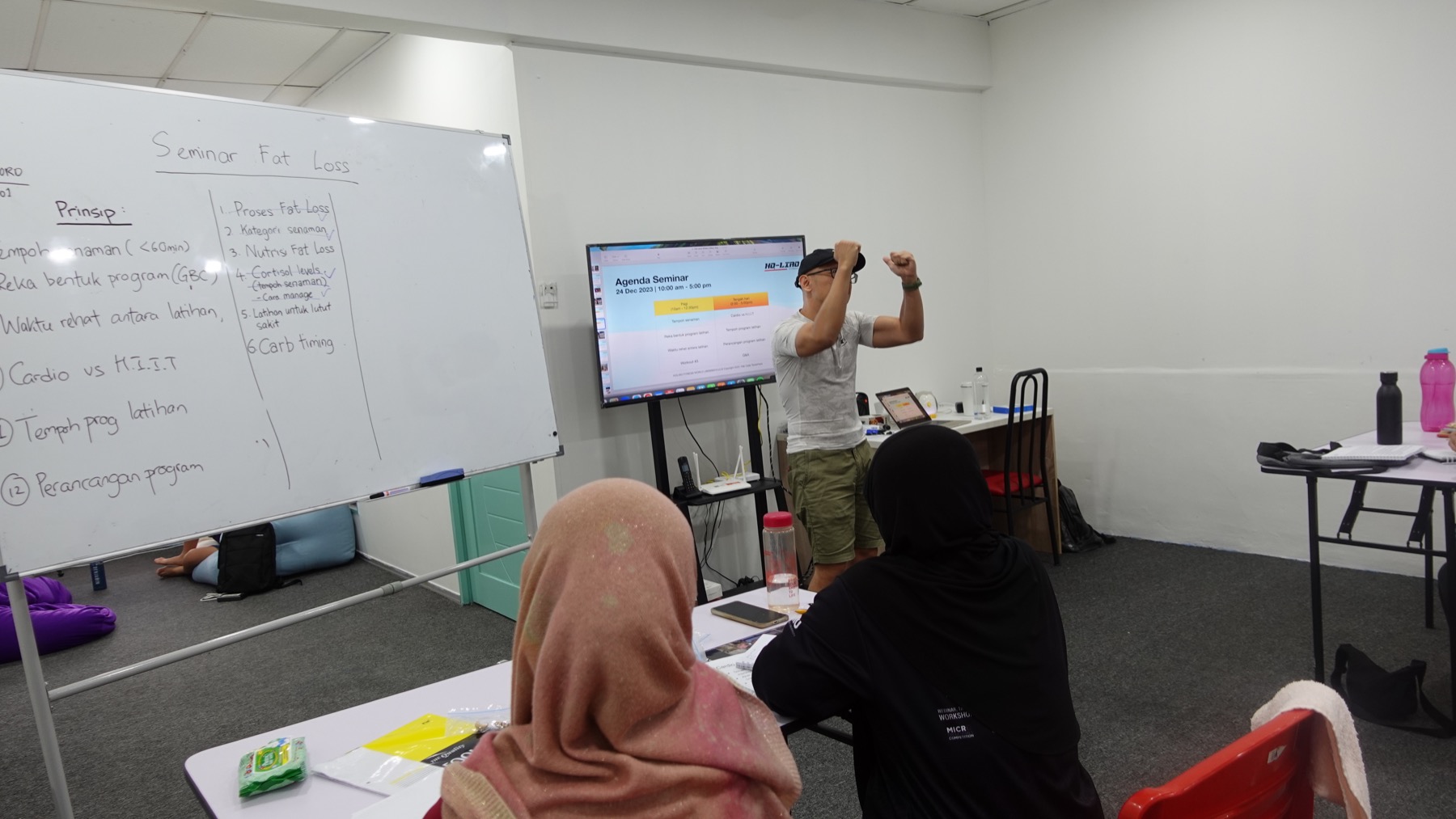
Imagine losing several kilograms in a few weeks. Your clothes feel looser and the scale looks encouraging, but training is getting worse, energy is low and the plan is hard to live with.
That does not prove muscle loss, but I would want to understand it before celebrating the number. What are we trying to protect while losing fat?
The short version
- Weight loss and fat loss are not the same thing.
- During fat loss, aim to protect as much muscle, strength and physical capability as reasonably possible.
- Resistance training helps support the retention of fat-free mass and strength during dietary weight loss.
- Protein can help, but it is only one part of the strategy.
- Judge progress with more than scale weight: look at waist, training, recovery and adherence too.
- My practical coaching framework is TARGET → PROTECT → SUSTAIN → REVIEW → DECIDE.
Weight loss and fat loss are not the same thing
Weight loss is a reduction in total body weight. Fat loss is a reduction in body fat. The scale can also reflect water, glycogen, lean tissue and other components.
One distinction is especially useful: fat-free mass is everything apart from fat. It is not a direct measure of muscle. A change in measured lean mass can partly reflect water and glycogen, and measurement methods use different definitions. [1]
That is why the quality of weight loss matters. Why Is My Waist Getting Smaller but My Weight Isn’t Dropping? explains why waist and body-weight trends can tell different stories.
Why muscle and strength matter
For a busy adult, muscle has a job beyond appearance. Together with strength and function, it supports everyday physical demands and continued training.
As we age, strength and physical function deserve more attention. The European consensus on sarcopenia, a condition involving impaired muscle health, places particular importance on low strength rather than muscle size alone. [2] Capability is worth protecting before it becomes a limitation. Some measured lean-tissue loss also does not automatically make weight loss harmful or unsuccessful: people with obesity can improve physical function while losing weight even when some muscle mass is lost. [3]
Resistance training changes the quality of a fat-loss plan
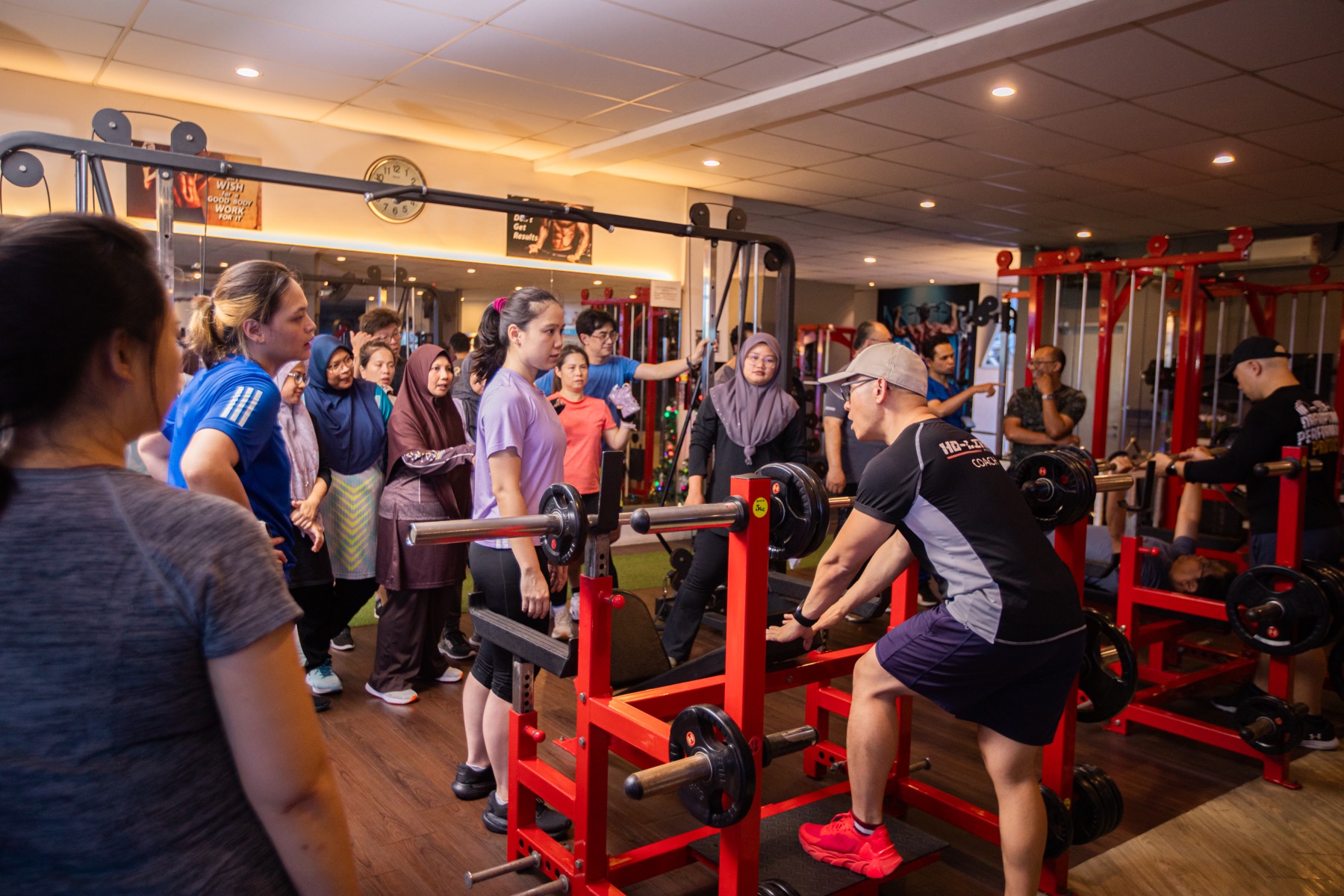
Research comparing dietary weight loss with and without resistance training generally finds that adding resistance training attenuates fat-free-mass loss and supports greater fat-mass reduction. Total body-weight loss may still be similar between groups. A 2025 meta-analysis also found better strength outcomes, although certainty was lower for strength than for the body-composition findings. These are average effects, not a guarantee for every person. [4]
My practical interpretation is simple: give strength work a deliberate place in the plan. Resistance training provides a strong stimulus to help preserve muscle and physical capacity during weight loss. It should be repeatable and leave room for recovery.
Protein matters, but it is not magic
Protein supports the strategy. It does not replace it.
A meta-analysis comparing protein intake above the recommended dietary allowance with intake at that allowance found a modest average benefit for lean-mass retention during energy restriction, about 0.36 kg between groups. That is a pooled difference across studies, not a personal prediction. [5]
Another review in adults with overweight or obesity found a benefit for muscle-mass retention, but no significant benefit for strength or physical function. Results and study quality varied. [6]
I would not tell someone that a protein shake makes the rest of the plan irrelevant. Total food intake, training, body size, recovery, food preferences and what the person can repeatedly eat all matter. There is no universal intake target that suits every reader.
For Malaysian life, can fish, chicken, eggs, dairy, tofu or tempeh fit family dinners, office lunches and eating out? A plan that works only when every meal is prepared at home needs another version for real life.
The fastest rate of weight loss is not automatically the best one
A quick drop can feel rewarding, but speed alone cannot tell you whether the plan is appropriate. A meta-analysis comparing similar total weight loss at different rates found some body-composition advantages for gradual loss, but no significant difference in fat-free-mass change. It does not support the claim that faster loss always causes more muscle loss. [7]
The appropriate pace depends on the starting point, goals, health context and response to the plan. If an aggressive plan repeatedly leaves someone unable to complete training, intensely hungry and struggling through the day, I would review it. A slower approach is not automatically successful if it produces no meaningful progress or cannot be followed. Medical supervision also changes the context.
Coach Ho's five-step framework
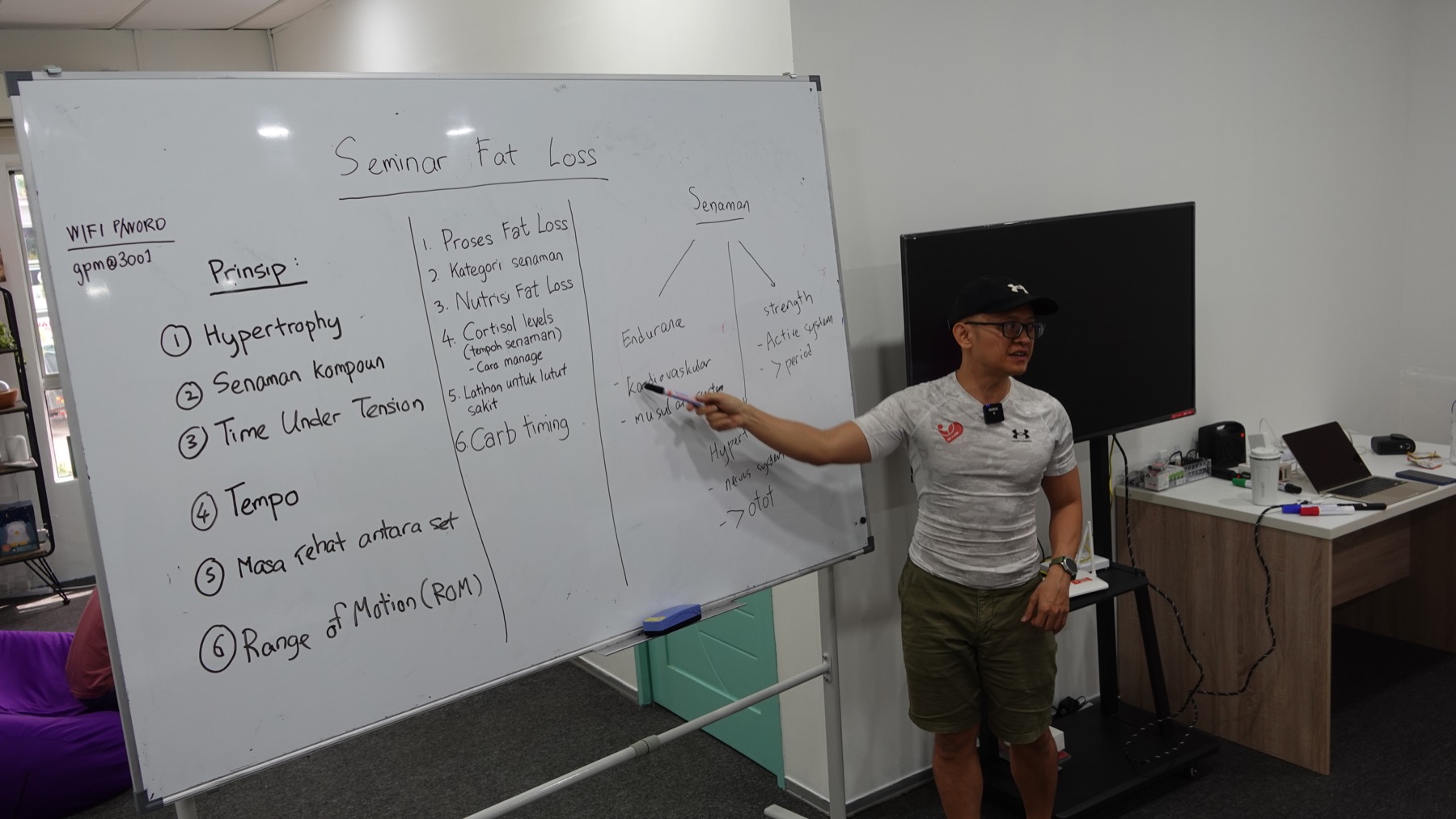
My practical coaching framework is:
TARGET → PROTECT → SUSTAIN → REVIEW → DECIDE
It is a way to organise coaching decisions. It is not a clinical protocol, scientifically validated algorithm or diagnostic tool.
TARGET: Define the actual goal
"Lose as many kilograms as possible" leaves too much unanswered. A better goal might be: "I want to reduce my waist, improve body composition and remain strong enough to train well."
PROTECT: Decide what matters during the process
I want the plan to account for lean tissue, strength, daily function, training quality and recovery. Decide which movements to monitor and what training week is manageable. Protection is an intention, not a promise that every measurement will remain unchanged.
SUSTAIN: Build around real life
For a Malaysian professional or parent, the plan may need to work around long days, school runs, travel and meals with other people. Can you make a reasonable choice at a nasi campur stall, complete a shorter session when work runs late, and have a family meal without feeling the week is ruined? I would rather plan for these situations than pretend they will disappear.
REVIEW: Read several signals together
Consider these hypothetical examples, not client results or recommended rates:
| After one month | Person A | Person B |
|---|---|---|
| Body weight | Down 2 kg | Down 4 kg |
| Waist | Decreasing | Not recorded |
| Strength and training | Broadly maintained; sessions consistent | Marked decline; sessions harder |
| Hunger and recovery | Manageable hunger; recovering well | Extreme hunger; poor recovery |
| Adherence | Workable routine | Increasingly difficult to follow |
Person A has several encouraging signals and Person B has reasons for a closer review. But A is not automatically superior in every context: starting weight, health needs, training history and measurement conditions may differ. These observations also cannot prove that B has lost muscle.
DECIDE: Change the plan for a reason
After review, the right decision may be to continue. It may be to simplify meals, adjust food intake, temporarily reduce training demands or address recovery. The next step should respond to what is happening, not punish a disappointing weigh-in.
What should you track?
Use a small dashboard that you can maintain without making monitoring another full-time job.
| Signal | Practical use |
|---|---|
| Body-weight trend | Compare repeated readings in similar conditions, rather than reacting to one day. |
| Waist measurement | Use the same location and technique each time. |
| Strength and training performance | Record exercises, load, repetitions and how demanding the work felt. |
| Adherence | Note whether intended meals, activity and sessions happened. |
| Hunger, sleep, recovery and energy | Look for patterns in readiness to train and manage normal responsibilities. |
| Body-composition estimates, when useful | Use a consistent method and interpret the result alongside other signals. |
This is my coaching dashboard, not a diagnostic test. Body-composition devices have limitations, so consistent conditions make comparisons more useful. [1] A stable strength record is encouraging, but it does not prove muscle mass is unchanged. Look for agreement across trends.
When should you change the plan?
I would consider a review when relevant measures show no meaningful progress across enough comparable observations, the person repeatedly cannot follow the plan, hunger becomes difficult to manage, training keeps worsening, recovery is persistently poor, or goals and circumstances change. Before reducing food further, check the information: were measurements comparable, was the plan followed, and did travel, illness, workload or training change? If adherence is poor, stricter instructions may miss the real problem. If progress is occurring and the plan is manageable, a change may not be needed.
Frequently asked questions
Can I lose fat without losing muscle?
You can aim to minimise muscle loss, but complete preservation cannot be guaranteed. A plan should account for training, nutrition and individual response. The title describes the goal, not a promised outcome. [3]
Why does muscle matter during weight loss?
Muscle supports physical tasks, while strength and function help show what you can actually do. These outcomes deserve attention alongside body weight, particularly as you age. [2]
Does resistance training help preserve muscle during dieting?
Generally, adding resistance training to dietary weight loss helps attenuate fat-free-mass loss compared with dieting alone. It does not eliminate that loss in everyone. [4]
Is protein enough to prevent muscle loss?
No. Higher protein intake can help, but it is not a guarantee. Evidence for retaining muscle mass does not automatically mean equivalent benefits for strength and function. [6]
Should I lose weight as fast as possible?
Speed should not decide the plan. Faster loss is not always worse, but the appropriate pace must be considered alongside goals and response. [7]
How do I know if my fat-loss plan is working?
Look for progress towards the agreed goal alongside a routine you can follow. Waist and body-weight trends, training performance, recovery and adherence inform that judgement.
What should I track besides body weight?
Start with waist, training performance, adherence, hunger, sleep and energy. Add body-composition estimates when they help a decision. You do not need every possible number.
How can I tell whether I am losing muscle while losing fat?
No single home or field measurement can prove that muscle is being lost. Look at body-weight and waist trends, training performance, strength, recovery and, when useful, consistently measured body-composition estimates. A fall in strength or a lean-mass estimate may justify closer review, but neither one alone proves muscle loss.
Take-home message
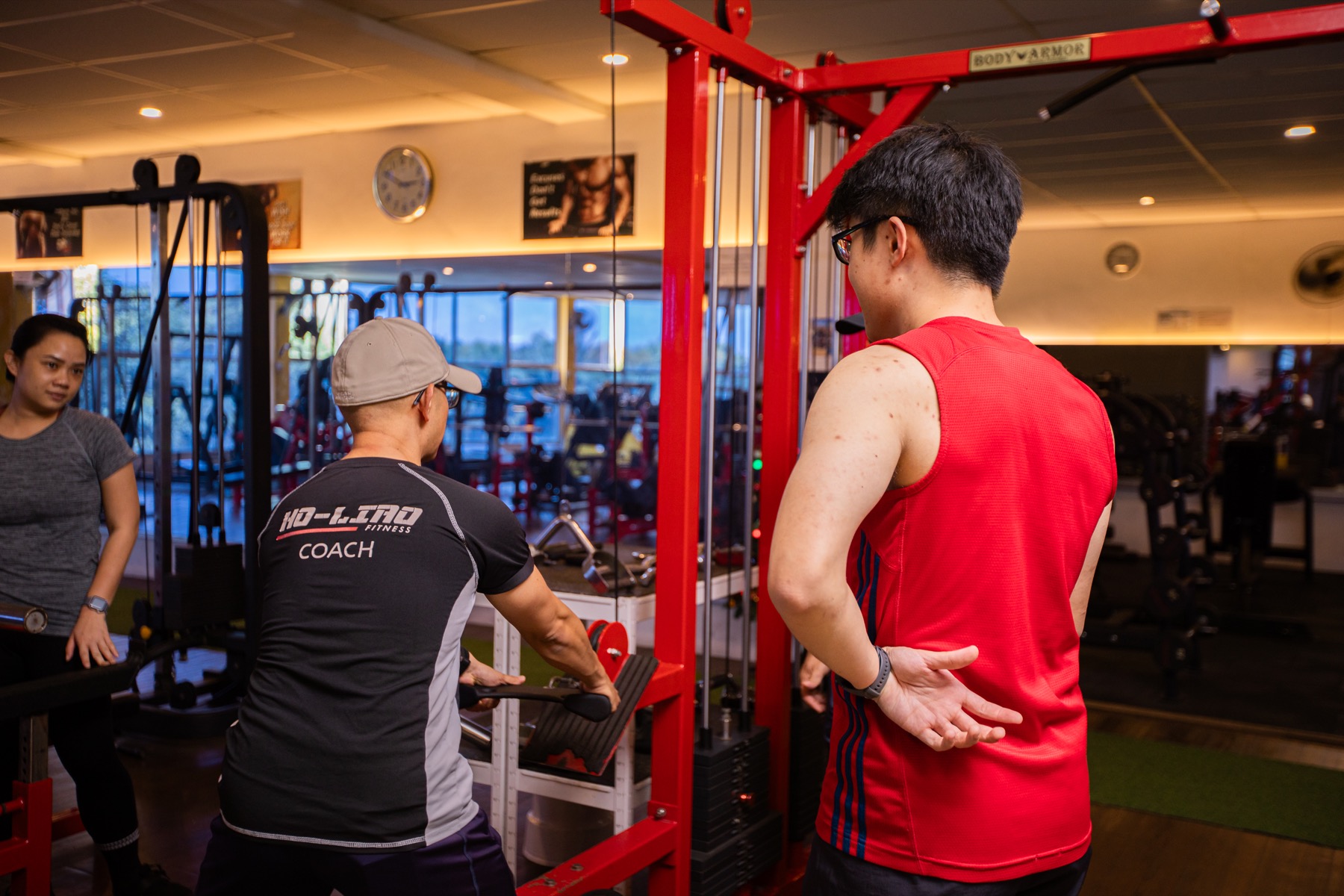
A good fat-loss plan does more than reduce body weight. It aims to reduce fat while preserving as much muscle, strength and physical capability as reasonably possible, in a way you can actually sustain.
Target what matters. Protect what is useful. Sustain what you can live with. Review the full picture. Then decide.
References
Evidence checked on 13 September 2026 through a focused literature review, not a new systematic review. The coaching framework and practical examples are general education; research findings do not guarantee individual outcomes.
- Obesity history, physical exam, laboratory, body composition, and energy expenditure: An Obesity Medicine Association Clinical Practice Statement (2022).
- Cruz-Jentoft AJ, et al. (2019). Sarcopenia: revised European consensus on definition and diagnosis. Age and Ageing.
- Cava E, Yeat NC, Mittendorfer B. (2017). Preserving Healthy Muscle during Weight Loss. Advances in Nutrition.
- Binmahfoz A, et al. (2025). Effect of resistance exercise on body composition, muscle strength and cardiometabolic health during dietary weight loss in people living with overweight or obesity: a systematic review and meta-analysis. BMJ Open Sport & Exercise Medicine.
- Hudson JL, et al. (2020). Protein Intake Greater than the RDA Differentially Influences Whole-Body Lean Mass Responses to Purposeful Catabolic and Anabolic Stressors: A Systematic Review and Meta-analysis. Advances in Nutrition.
- Kokura Y, et al. (2024). Enhanced protein intake on maintaining muscle mass, strength, and physical function in adults with overweight/obesity: A systematic review and meta-analysis. Clinical Nutrition ESPEN.
- Ashtary-Larky D, et al. (2020). Effects of gradual weight loss v. rapid weight loss on body composition and RMR: a systematic review and meta-analysis. British Journal of Nutrition.

About Coach Ho Yah Wen
Coach Ho Yah Wen is the Founder and Master Coach of HO-LIAO FITNESS in Penang, Malaysia. He focuses on sustainable fat loss, body composition and strength training.